Case StudySmart Intersection Safety
Poliscan Redlight VA: Video-based red light monitoring for road and rail intersections
Achievements:
- Effective: 30% fewer red-light violations
- Flexible: easy-to-install red-light camera for quick location changes
- Efficient: budget-friendly and highly accurate surveillance solution
- Agil: rapid implementation and roll-out
The Challenge: Enhancing Intersection Safety in Austria
Intersections remain among the most dangerous traffic hotspots where decisions are often made under time pressure. About one in four accidents is caused by violations of priority rules or disregarding traffic lights.
Particularly at intersections, access points, pedestrian crossings, or bike crossings, violations have severe consequences. In the first half of 2025, there were 17,478 road traffic accidents with personal injury in Austria. 170 people lost their lives, and 21,873 were injured (Statistics Austria).
©DarkoTodorovic
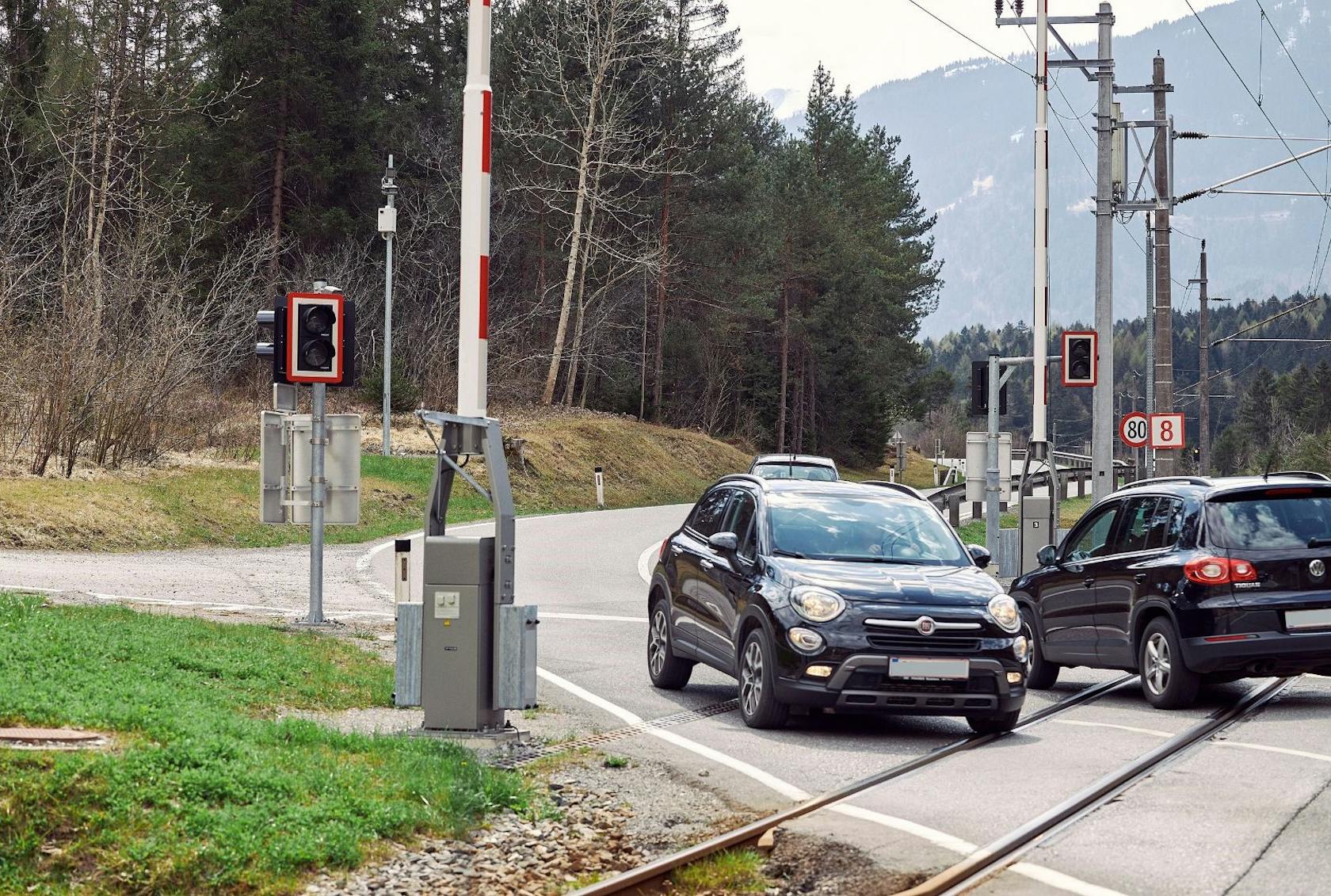
Critical issues arise at railway crossings: the stopping distance of a train is about ten times longer than that of a vehicle. 84% of collisions at unprotected railway crossings are caused by red light violations, according to a study by the German Accident Research of Insurers (UDV).
©DarkoTodorovic
With every red light violation, the risk of accidents increases, as do traffic disruptions and costs for emergency services.
The Austrian Ministry of the Interior (BMI) and its police directorates tasked VITRONIC with developing a solution for improving intersection safety and preventing red light violations. Additional requirements included cost-efficiency and compliance with all legal standards.

The Ministry's task was clear: to develop an economical and legally secure solution to reliably capture red light violations at intersections. Together with SWARCO Traffic Austria, we implemented the video-based red light monitoring solution in less than a year."
The Solution: Poliscan Redlight VA
In collaboration with SWARCO Traffic Austria, the video-based red light monitoring system Poliscan Redlight VA was developed. The solution was based on an internal feasibility study.
The feasibility study led to a joint pilot project between VITRONIC and SWARCO Traffic Austria. The initial step involved examining the combination of lidar and video technology. Video tracking proved to be the most effective method for capturing red light violations. Since 2019, Poliscan Redlight VA has been operational at signal-controlled intersections (road and rail) without requiring additional government approvals.
A successful and fast implementation happens when synergies are used. Each partner has its core competencies, which together provide the optimum for the customer. Through cooperation with VITRONIC, we achieved exactly that!"
The Result
Traditionally, red light monitoring relies on laser-based measurement systems, which require structural changes to the existing infrastructure.
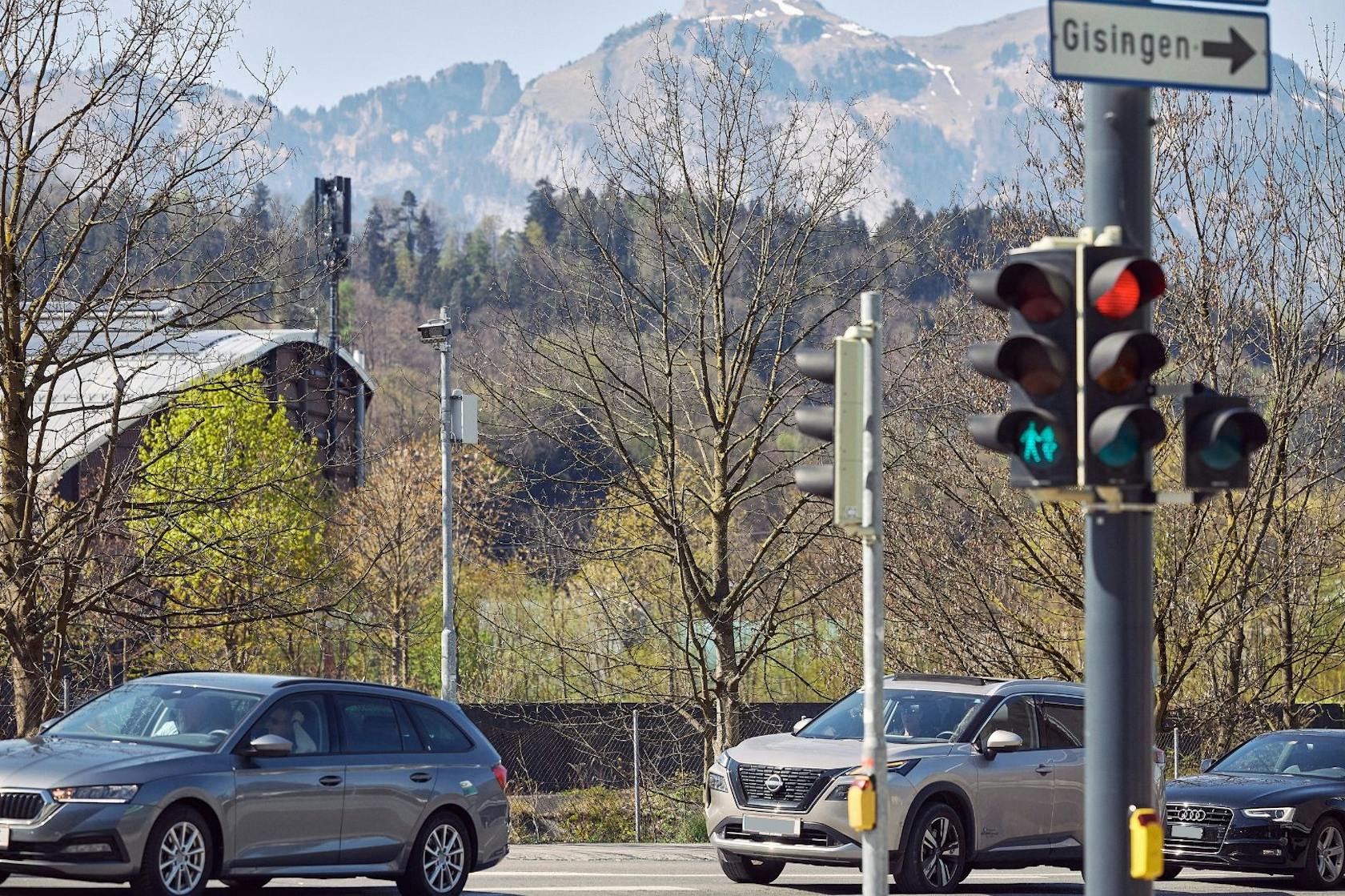
The video-based measurement system from VITRONIC eliminates the need for detectors in the roadway and can be mounted on existing masts, walls, or cantilever arms. This eliminates the need for costly approvals and construction work, reducing investment costs in infrastructure.
In Austria’s rural areas, this approach proves particularly valuable: Poliscan Redlight VA can be implemented affordably and quickly. The flexible solution allows for easy relocation to new sites with minimal adjustment costs.
Key Features of Poliscan Redlight VA
Cities and municipalities receive a tailor-made, precise, and budget-friendly system for efficient monitoring of signal-controlled road and rail intersections.
- Monitors small and complex intersections, access points, and railway crossings with AI-supported image analysis and automatic case data transfer (remote access)
- Photo and video documentation with easy installation and no road surface modifications
- Optional: Accurate detection of turning and red light violations, including crossing stop lines, accelerating at yellow/red lights, right turns at red, blocking intersections, and encroaching on bike crossings and pedestrian crossings
- Optional: Wireless traffic light detection, detection of road users in danger zones, automatic license plate recognition, and more
As an AI-powered system, Poliscan Redlight VA is trained with traffic data and can increasingly capture complex situations at intersections and railway crossings.
The Benefits at a Glance
- Effective: Video-based detection and documentation of red light violations at road and rail intersections
- Easy to Install: Quick startup and operational readiness
- Efficient: Low infrastructure investments, no road surface modifications
- Future-proof: AI-supported image analysis for precise detection of complex traffic situations